Storm Damage Roof Inspection Checklist: 10 Critical Signs
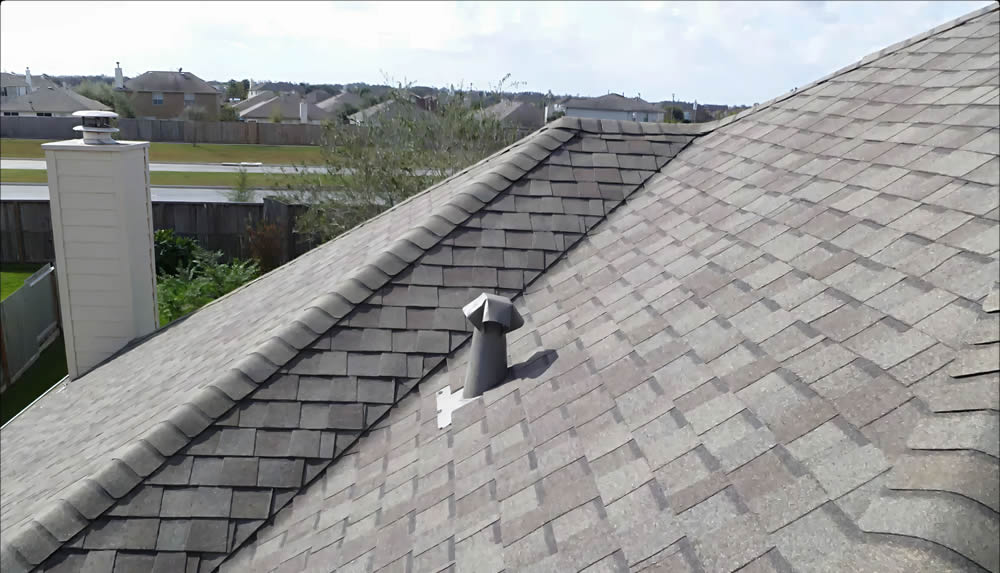
Want to check your roof’s condition after a storm? It’s not always so easy. Missing shingles and active leaks are clear signs for concern, but storm damage can also be subtle at first. A slightly lifted shingle, damaged vent, or tiny opening around flashing may allow water into your roof even when everything looks normal from the ground.
A storm damage roof inspection can identify these problems before they create more extensive repairs. Start with a visual check of your property, then contact a roofer if you see damage or you’re not sure you can properly inspect your roof’s condition. And don’t wait. A small issue can develop into an expensive home repair bill that extends beyond your roof if you wait too long.
What Are Common Signs of Roof Damage?
After the weather has cleared, walk around your property and look for changes to the roof, gutters, siding, attic, and ceilings. Sometimes you will find shingles or other roof elements on the ground waiting to greet you. Other times, damage will be less noticeable.
These are the 10-point storm damage roof inspection checklist to guide your initial review:
- Missing, lifted, curled, or shifted shingles
- Shingle pieces or excessive granules on the ground
- Dents or impact marks on shingles, vents, gutters, or flashing
- Bent or detached gutters and downspouts
- Damaged flashing around chimneys, vents, skylights, and roof edges
- Fallen limbs or other debris on the roof
- Water stains on ceilings or walls
- Damp insulation, visible moisture, or musty odors in the attic
- Water entering around windows, doors, or exterior walls
- Sagging roof areas or ceiling sections
Some of these signs require immediate attention. If water is actively entering your home, part of the roof appears unstable, or a tree has fallen onto the structure, stay away from the damaged area and call for emergency roofing service.
Important: Climbing onto the roof yourself is not advised, as wet surfaces, loose materials, and damage hidden beneath your feet can make walking on a roof especially dangerous.
What Does Wind Damage to a Roof Look Like?
High winds do not have to remove a shingle completely to damage it. Wind can lift the edge of a shingle and weaken or break the seal holding it in place. The shingle may settle back down afterward, making the damage difficult to recognize from below.
Common signs of wind damage to a roof include missing shingles, uneven shingle lines, lifted edges, creases, exposed underlayment, and loose flashing. Wind damage often begins around roof edges and corners, where wind pressure can get beneath roofing materials.
Check your yard for roofing materials after the storm. Pieces of shingles, metal flashing, or roof vents on the ground indicate that the roof needs professional attention. Even if you do not see debris, an inspection may still be worthwhile after unusually strong winds.
What Does Hail Damage Look Like on a Roof?
Hail damage varies with hail size and density, wind speed, and roofing material. For example, hail may leave dark impact marks, cracks, or areas of missing protective granules on asphalt shingles, while metal roofing is more likely to show visible dents or dimples.
These marks can also be difficult for a homeowner to distinguish from normal wear, so it’s important to check nearby surfaces, which may offer more clues. Look for dents on gutters, downspouts, roof vents, metal flashing, siding, window screens, or outdoor air-conditioning equipment. Hail scattered across the yard or damage to vehicles can also indicate that the roof was exposed to a significant impact.
Granule loss deserves attention because granules protect asphalt shingles from sunlight and weather. A small amount in the gutters may be normal, especially on a newer roof. A noticeable increase after a hailstorm, however, can point to recent roof storm damage.
How Can Heavy Rain Damage a Roof?
Heavy rain often exposes an opening or weak point that was already developing. Aging sealant, damaged flashing, clogged gutters, and loose shingles may hold up during an ordinary shower but allow water inside during prolonged or wind-driven rain.
Inside the home, check ceilings and walls for stains, damp spots, peeling paint, or bubbling drywall. Inspect the attic with a flashlight as well, if it is safe to enter. Wet decking, damp insulation, water trails, or a musty smell may indicate that moisture has passed through the roofing system.
Interesting fact: The leak you found might not be coming from roof damage directly above where you see water. Water can travel along rafters, decking, pipes, or wiring before becoming visible inside the house. A professional inspection can trace that path back to its actual source.
Can a Roof Have Storm Damage Without Leaking?
Yes. A roof can sustain storm damage without producing an immediate or visible leak. Lifted shingles, cracked seals, loosened flashing, and hail impacts can leave your home more vulnerable even if water hasn’t reached the living space.
At the same time, a major storm does not automatically mean you need a new roof. Some roofs come through severe weather without meaningful damage, while others need only a focused repair. The inspection helps determine which situation applies best to your home.
When Should You Schedule a Storm Damage Roof Inspection?
Consider scheduling a professional storm damage roof inspection when:
- You see missing, lifted, or damaged shingles
- Your gutters, vents, or flashing have visible dents or damage
- Water is entering your home
- You find new ceiling stains or discover moisture in the attic
- A tree limb or other debris struck the roof
- Nearby homes sustained roof damage
- The storm produced large hail or unusually strong winds
- Your roof is older or already had areas of concern
- You cannot confidently assess the roof from the ground
What Happens During a Roof Storm Damage Assessment?
A professional roof storm damage assessment should examine the entire roofing system, not just focus on the most obvious spots. A roofer may look at your shingles or other roof covering, flashing, roof penetrations, vents, ridge caps, gutters, drainage areas, and accessible attic space. The assessment should answer a few straightforward questions:
- Is there storm damage?
- Where is the damage located?
- Is the roof currently allowing water inside?
- Can the problem be repaired?
- Is more extensive work necessary?
- What can wait, and what needs prompt attention?
- What will the recommended work cost?
You should receive a clear explanation of the findings and, when work is recommended, a written scope describing what will be repaired or replaced. Photographs can also help you understand areas that are not visible from the ground.
What Should You Do If You Find Storm Damage on Your Roof?
First, protect people and property. Avoid damaged rooms if the ceiling is sagging, stay clear of fallen power lines, and do not walk beneath unstable trees or branches. If water is entering the home, move belongings away from the affected area and use a container to catch dripping water when it is safe to do so.
Take photographs or video of visible damage before moving or repairing anything. The Texas Department of Insurance recommends documenting storm damage, saving repair receipts, and checking with your insurance company before making permanent repairs.
Be cautious about any roofers who pressure you to sign immediately or promise that insurance will pay for a complete roof replacement before the roof and policy have been properly reviewed. Coverage depends on the policy, insurer, cause of damage, and other circumstances. A roofer can inspect the roof and document what was found, but your insurance company determines what the policy covers.
Get Clear Answers About Your Roof
After a storm, you should not have to guess whether your roof is damaged or feel pressured into work you may not need. Allegiance Roofing provides thorough storm-damage roof inspections for homeowners in Katy and surrounding communities.
We will examine the roof, explain what we find, and give you a clear recommendation about what needs attention and what can wait.
If your home was recently hit by wind, hail, or heavy rain, contact Allegiance Roofing to schedule an inspection or request a quote. You will get a straight answer about your roof, with no pressure and no hard sell.