How to Repair a Leaky Roof: Safe Fixes & When to Call a Pro
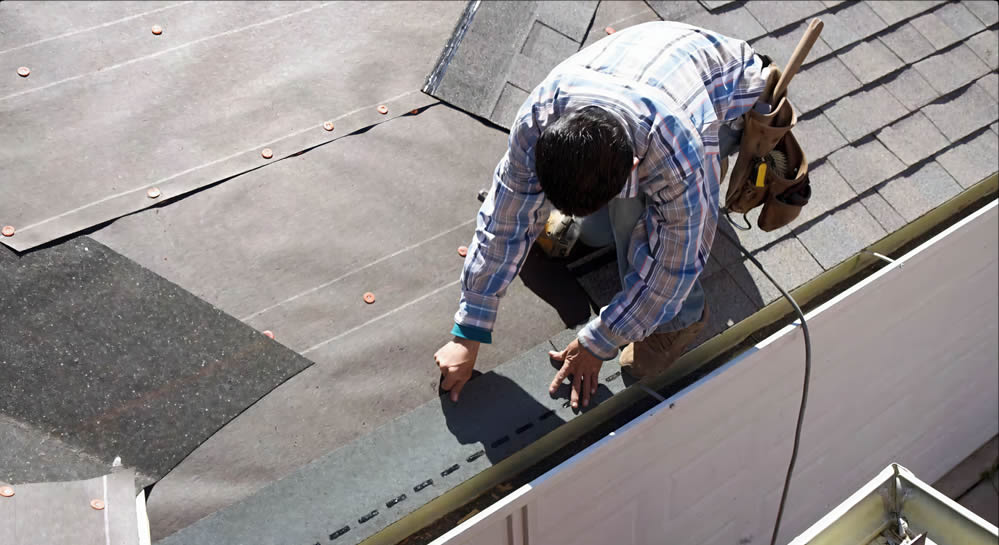
You’re not alone. Every homeowner fears finding water dripping from their ceiling. Even worse, everyone’s home and leak situation is going to be different, so knowing how to repair a leaky roof starts with understanding what is causing the problem rather than simply trying to patch the first place you see water.
What you should do first is remain calm and protect your home and valuables from further damage by moving important items out of the way and placing buckets under the leak to catch the water. That way, your floors aren’t also affected. Be sure to lock off rooms, especially from children, if the ceiling is sagging or bulging, or the water stain is near a light fixture or outlet.
Next, it’s time to figure out where the water is coming from, and a professional roofer’s help is often necessary here. The place where water appears inside your home may be several feet away from the actual opening in your roof, since water can travel along decking, rafters, pipes, or wiring before finally reaching your ceiling. A professional knows how to track that water, so you should seriously consider reaching out to one, even if it’s just for an initial assessment.
In this blog, we’ll explain how to repair a leaky roof, how to find the source of the leak, several steps you can take inside your home to limit the damage, and when it makes sense to call a professional roofer to make the repairs.
How to Repair a Leaky Roof: What Should You Do First?
Start by protecting the room and anything inside it. Move furniture, electronics, rugs, and other belongings away from the leak. Place a bucket or another waterproof container beneath the drip, then use towels to mop up any water that has already reached the floor.
If water is collecting above the ceiling, the drywall may sag or bulge. Do not walk underneath that area because waterlogged drywall can collapse. If the leak appears near a light fixture, outlet, or electrical wiring, avoid the area entirely and turn off power to the affected room from the breaker box if you can do so safely.
And remember to document everything you see. Take photos or videos of the leak, water stains, damaged belongings, and visible exterior damage. The Texas Department of Insurance recommends photographing or recording damage before repairs and making only temporary repairs until the insurer has had an opportunity to evaluate the loss. Write down when you first noticed the leak and whether it became heavier during wind-driven rain. These details can help a roofer locate the problem and will be useful if/when you contact your insurance company.
The leak’s timing, for example, provides a very important clue. A leak that appears only during wind-driven rain may come from lifted shingles, flashing, vents, siding, or a window rather than an opening directly above the water stain. A leak that continues after the storm ends may involve trapped water or a plumbing issue instead of the roof.
How Do You Find the Source Before Repairing a Leaky Roof?
Start inside your attic, if you can enter it safely, and use a flashlight to look for wet insulation, dark stains, water trails, damp decking, or moisture around roof penetrations. Plumbing vents, exhaust vents, and chimneys are common leak sources, so search those areas, too.
Important: Do not climb onto the roof during rain, strong winds, or while the surface is wet. Even a familiar roof can become dangerously slippery, and the area around a leak and under your feet may be weaker than it appears.
When your roofer arrives, they’ll check the exterior and will typically look for:
- Missing, cracked, lifted, or shifted shingles
- Exposed or damaged underlayment
- Loose, rusted, or improperly installed flashing
- Cracked rubber boots around plumbing vents
- Damage around chimneys, skylights, and roof vents
- Exposed or backed-out nails
- Worn sealant around roof penetrations
- Clogged gutters or drainage problems
- Damage to valleys, ridges, and roof edges
- Soft or deteriorated roof decking
Can You Temporarily Stop a Roof Leak From Inside?
You may be able to contain leaks inside, but most interior measures don’t actually fix the roof. Buckets, plastic sheeting, and towels simply protect the house while you wait for the weather to clear or for a roofer to arrive.
If the source is visible in an accessible attic, a temporary sheet of plastic may help direct dripping water into a container. However, do not attach anything near electrical wiring, recessed lighting, or a sagging section of roof decking, and avoid applying roofing cement, spray foam, or household caulk from inside the attic. These materials may hide the water’s path without closing the exterior opening, leaving moisture trapped in the roofing system.
How to Repair a Leaky Roof
How to repair a leaky roof depends on what caused the leak, and, as mentioned earlier, no single patch works for every situation. A proper repair must close the exterior entry point and address any damaged roofing materials.
The 10 most common roof leak repairs are:
- Replacing missing or damaged shingles
- Resealing or replacing flashing
- Replacing a cracked plumbing vent boot
- Securing loose roofing materials
- Repairing damage around vents, chimneys, or skylights
- Replacing exposed or improperly installed fasteners
- Clearing blocked gutters and correcting drainage problems
- Removing damaged decking and installing new material
- Repairing a damaged roof valley
- Correcting installation problems from earlier roofing work
Note: Covering the visible area with sealant is rarely a dependable long-term fix because roofing materials expand, contract, and move with changing temperatures and weather. A thick layer of caulk may crack, redirect water, and even make needed repairs more difficult and expensive.
How Do You Patch a Roof Leak?
The leak source and your roof type determine how to best patch your leak. Identifying the source matters because patching the area where water appears without addressing the exterior opening only temporarily hides the symptom while the roof continues to leak.
Knowing your roof type also plays a huge role. Asphalt shingle repairs may require removing damaged shingles, checking the underlayment and decking beneath them, installing a matching replacement, and securing it according to the manufacturer’s instructions. A flashing leak may require removing surrounding material and replacing the flashing rather than applying sealant around its edges. Metal, tile, and flat roofing systems require different repair methods as well.
That is why understanding how to repair a leaky roof involves more than simply finding a visible water stain and applying a patch. The repair needs to address the actual point where water is entering the roofing system.
Can You Repair a Leaky Roof Yourself?
Some homeowners may be able to complete a minor repair if they have roofing experience, the correct materials, and safe access to a dry, low-slope roof. For most people, however, the risk goes beyond making an incorrect repair. Roof work involves fall hazards, sharp materials, hidden weak spots, and the possibility of causing more damage by walking or fastening materials in the wrong place.
A DIY repair may also be a poor choice when:
- The roof is steep, high, wet, or difficult to access
- The leak followed hail, high winds, or falling debris
- The source cannot be identified
- Water has reached the decking, insulation, or electrical system
- The roof has multiple leaks
- The damaged area is near a chimney, skylight, valley, or roof edge
- Tile, metal, or another specialized roofing material is involved
- The roof is still covered by a workmanship or manufacturer warranty
- The ceiling or roof appears to be sagging
If you are not sure how extensive the problem is, a professional inspection can tell you whether you are dealing with a small repair or a larger roofing issue.
How Much Damage Can a Small Roof Leak Cause?
A small drip doesn’t always mean a small problem. Water can soak into insulation, decking, drywall, or framing before it becomes visible in your home. Over time, that moisture can stain ceilings, damage paint, weaken materials, and contribute to mold growth. The longer water continues entering the system, even slowly, the more likely your repair bill is going to extend beyond the cost of fixing the original opening.
That does not mean every leak requires a new roof, as many leaks can be traced to a focused problem and repaired without replacing the entire roofing system. The roof’s age, condition, extent of the damage, and repair history will all help determine the right approach.
Does a Leaky Roof Need to Be Completely Replaced?
Not necessarily. A newer roof with one damaged shingle, loose piece of flashing, or failed vent boot may need only a targeted repair. Replacement typically makes more sense when damage is widespread, the roof is approaching the end of its useful life, the decking has deteriorated, or earlier repairs have not solved recurring leaks.
A professional roofing assessment should give you clear answers about:
- Where the water is entering, and what caused the opening
- How much of the roof is affected
- Whether the underlying materials are damaged
- Whether a repair will provide a dependable solution
- What needs immediate attention and whether other work can wait
- What the recommended work will cost
Be cautious of anyone who recommends a complete replacement without clearly showing you why it’s necessary.
Get Help Repairing a Leaky Roof
Knowing how to repair a leaky roof starts with finding the actual source of the water and determining what roofing materials have been damaged. Allegiance Roofing helps homeowners in Katy and the surrounding communities find the source of roof leaks and understand their repair options. We will inspect the affected area, explain what is causing the leak, and provide clear repair suggestions.
If you’ve found a drip, water stain, or other sign of a roof leak, contact Allegiance Roofing today to schedule an inspection or request a quote. You’ll get a clear explanation of the problem and what it will take to repair your leaky roof.