What Does a Roof Inspection Include? Houston Checklist
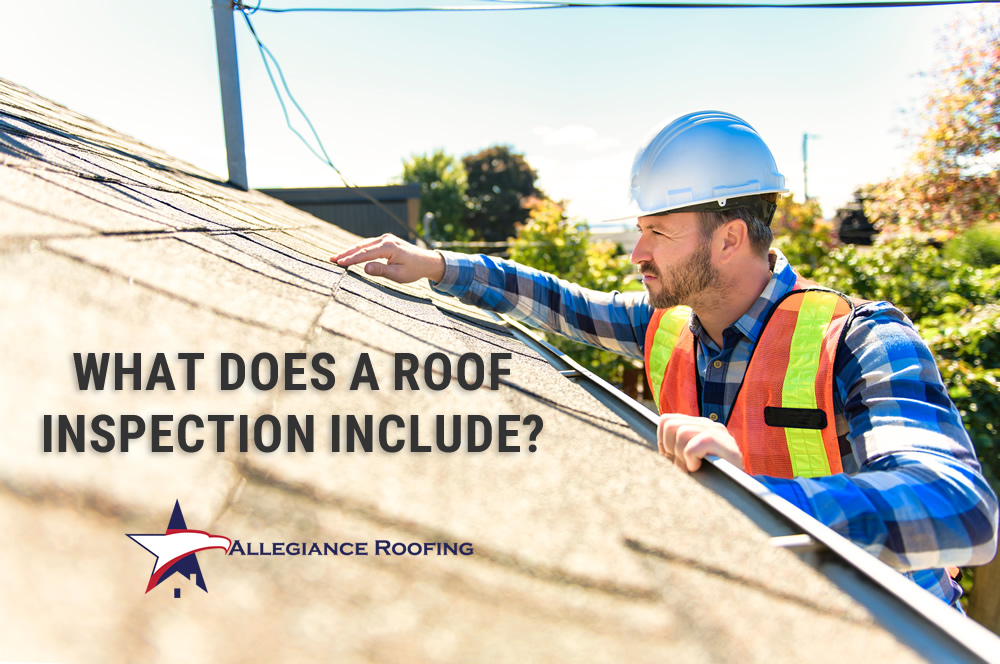
Maybe you’ve found a water stain, noticed missing shingles after a storm, or realized it’s been years since you last checked your roof. Something may be wrong, but you’re not sure what. If that sounds right, it’s time to schedule an inspection; but what does a roof inspection include?
During a professional inspection, a roofer evaluates your entire system, documents problems, and explains whether your roof needs repair, replacement, maintenance, or nothing at all. The best inspections give you answers, not a sales pitch, so if you’re still wondering what’s wrong after your inspection, get a second opinion before you make any repair decisions.
In this Houston guide, we’ll walk you through the inspection process from your first conversation with a roofer to the recommendation you receive afterward.
In What Does A Roof Inspection Include?, we’ll answer the following questions:
- What Happens Before a Roof Inspection?
- Do You Need to Be Home During a Roof Inspection?
- What Does a Roof Inspection Include?
- Will the Roofer Inspect My Attic?
- How Does a Roofer Check for Storm Damage?
- How Long Does a Roof Inspection Take?
- What Happens After a Roof Inspection?
- Will You Receive an Estimate During an Inspection?
- Is a Roof Inspection the Same as an Insurance Inspection?
- When Should You Schedule a Roof Inspection?
What Happens Before a Roof Inspection?
Tell the roofer what you’ve noticed and when it began. A ceiling stain that appeared during wind-driven rain may suggest a different problem than one that slowly grew over months. If a recent storm brought hail, fallen branches, or high winds, that information can also help guide the inspection. Be sure to include anything useful you know about the roof, including its approximate age, previous repairs, recurring leaks, or warranty information.
Important: Don’t worry if you cannot answer every question. You are not expected to diagnose the problem before the roofer arrives; this information is simply helpful when available.
Do You Need to Be Home During a Roof Inspection?
Yes, it’s preferred to have homeowners home during the inspection because you can explain what you’ve seen and hear the findings firsthand. Your roofer will also likely need access to the attic and any impacted areas inside your home to complete their review.
What Does a Roof Inspection Include?
A roof is a connected system, so a professional inspection is about more than checking for missing shingles. The roofer should evaluate visible materials, places where water is most likely to enter, and any signs that damage has reached beneath the surface.
The inspection may include:
- Shingles or other roof coverings
- Ridge caps, valleys, and roof edges
- Flashing around chimneys, walls, vents, and skylights
- Plumbing vent boots and other roof penetrations
- Exposed, loose, or backed-out fasteners
- Gutters, downspouts, soffit, and fascia
- Sealants and previous repair areas
- Visible underlayment or decking damage
- Accessible attic areas
- Interior evidence of moisture
Will the Roofer Inspect My Attic?
When your attic is accessible and relevant to your concern, a roofer will inspect it. Water doesn’t always appear directly beneath roof openings, but can travel along decking, rafters, pipes, and wiring before staining your ceiling. With attic access, roofers can compare interior evidence with roof conditions and provide a comprehensive assessment.
While inside your attic, the roofer will look for water trails, darkened decking, damp insulation, rusted nails, damaged wood, or daylight entering through an opening. The attic can also reveal ventilation problems or moisture collecting beneath the roof.
How Does a Roofer Check for Storm Damage?
Storm damage isn’t always visible from the ground. Missing shingles and fallen limbs are easy to spot, but hail bruising, broken seals, shifted flashing, and other problems may only become clear up close.
During a storm-related inspection, the roofer will evaluate every roof plane for wind and hail damage. They might also check gutters, downspouts, vents, and flashing because dents on metal surfaces can show that hail reached the property.
Our Storm Damage Roof Inspection Checklist is a great way to conduct an initial visual review before your appointment.
How Long Does a Roof Inspection Take?
The time required depends on the roof’s size, pitch, design, accessibility, and the reason for the inspection. A simple roof with one suspected repair area may take less time than a large roof with multiple slopes, penetrations, and interior moisture concerns.
Weather also matters. It’s unsafe to walk a roof during rain, strong winds, and lightning. If conditions prevent a complete inspection, the roofer should explain what they could evaluate and arrange a follow-up.
What Happens After the Roof Inspection?
After the inspection, the roofer will explain where the problem is, what likely caused it, whether water has reached underlying materials, and what can happen if the issue is left alone. Their recommendations will generally fall into one of three categories: repair, replace, or monitor.
- An isolated issue on an otherwise sound roof may need only a targeted repair
- Widespread deterioration, repeated leaks, or substantial decking damage may make replacement the better option
- If the roof remains in good condition, you may simply need to monitor certain areas and continue regular maintenance
Will You Receive an Estimate During the Inspection?
The roofer may discuss likely repairs during the visit, but the final estimate should reflect their complete findings. A good estimate will identify the damaged area, materials being removed and installed, related flashing or decking work, cleanup, warranty information, and the total price. The estimate should also explain additional costs if they find hidden damage during the work.
Pro-tip: If repair and replacement are both reasonable, ask to see the scope and price for each. Our Roof Repair Vs. Roof Replacement Guide can also help you compare those options.
Is a Roof Inspection the Same as an Insurance Inspection?
Not exactly. A roofer’s inspection identifies damage, explains what your roof needs, and may provide photographs and written documentation. Your insurance company may conduct its own separate inspection during your initial application, renewal, or after you file a claim. Ultimately, it's your insurer who determines whether a roofer’s recommendations are covered.
A standard roof inspection and a Texas Department of Insurance (TDI) windstorm inspection are also different. Certain roof replacements and repairs in designated Texas coastal areas require a TDI inspection, so if you think your project may need a certificate of compliance, discuss that with your roofer before any work begins.
When Should You Schedule a Roof Inspection?
Consider scheduling a roof inspection:
- After significant hail or wind
- When shingles appear damaged
- Stains have developed on your ceiling
- Before buying or selling your home
- When an aging roof hasn’t been evaluated in several years
It’s also reasonable to call when something simply looks wrong. You may not know whether a dark patch is granule loss, whether a raised shingle is damaged, or if an old repair is failing. A closer evaluation can identify problems or confirm that no immediate work is necessary.
Allegiance Roofing provides free roof inspections for homeowners in Katy and surrounding Houston communities. We inspect your roof, document what we find, explain the results, and provide a written recommendation.
If you’ve noticed a leak, storm damage, aging shingles, or another concern, contact Allegiance Roofing to schedule your free roof inspection.